Company News, Industry Insights, and Technical Articles
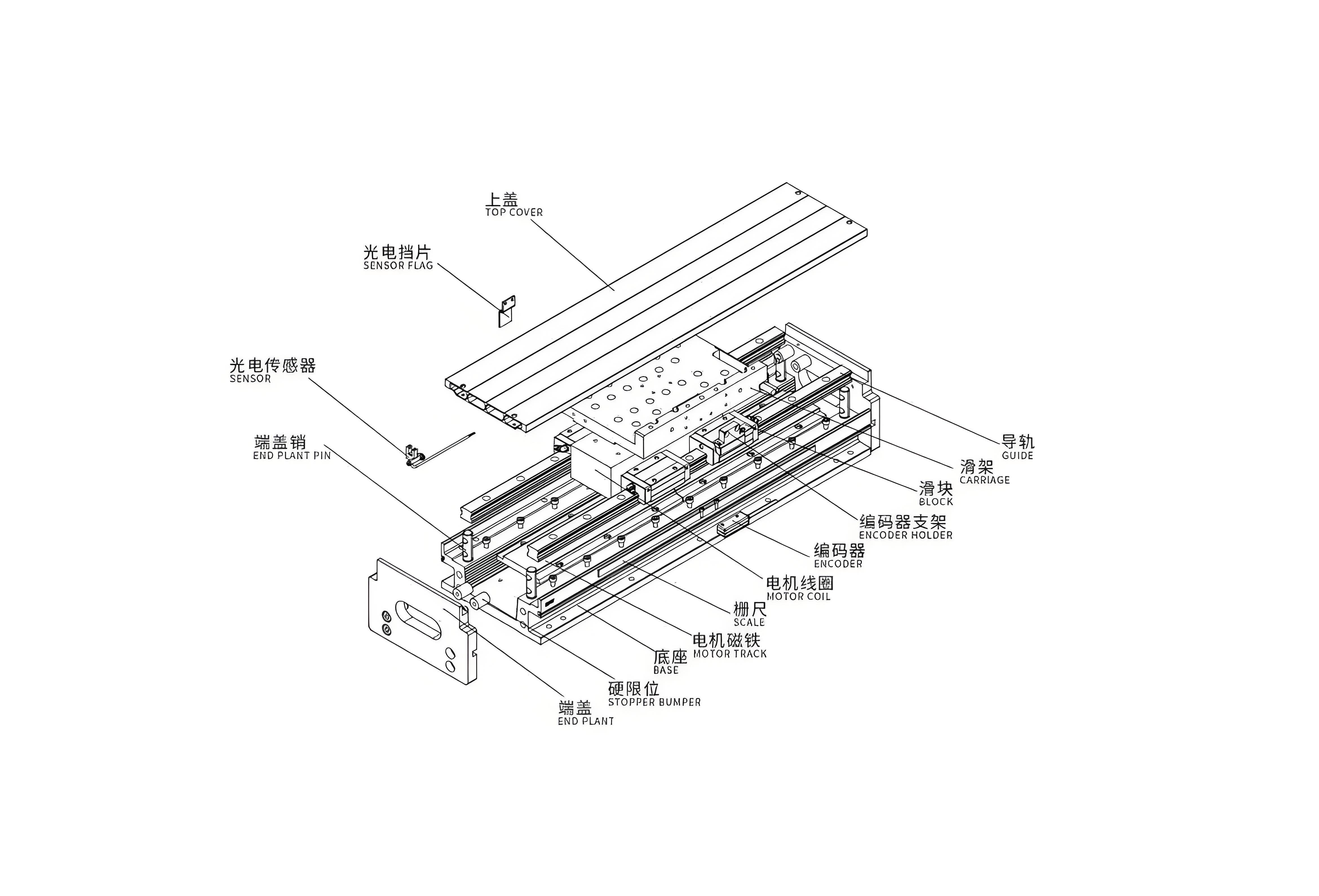
As high-end manufacturing enters the nanoscale era, traditional "rotary motor + lead screw" drive systems are hitting performance limits. This article explores the evolution of linear motors in two key areas: architectural optimization and intelligent sensing.
The linear motor industry is shifting from price competition to performance competition. To build genuine competitive advantage, companies must systematically strategize across five dimensions: base materials, system architecture, control algorithms, manufacturing processes, and the business ecosystem.
In high-end equipment design, the choice of transmission scheme determines overall performance. As process requirements advance to micron-level positioning and millisecond-level response, linear motors shift from an "option" to a "must." This article explores the core value, selection trade-offs, and application configurations of linear motors.
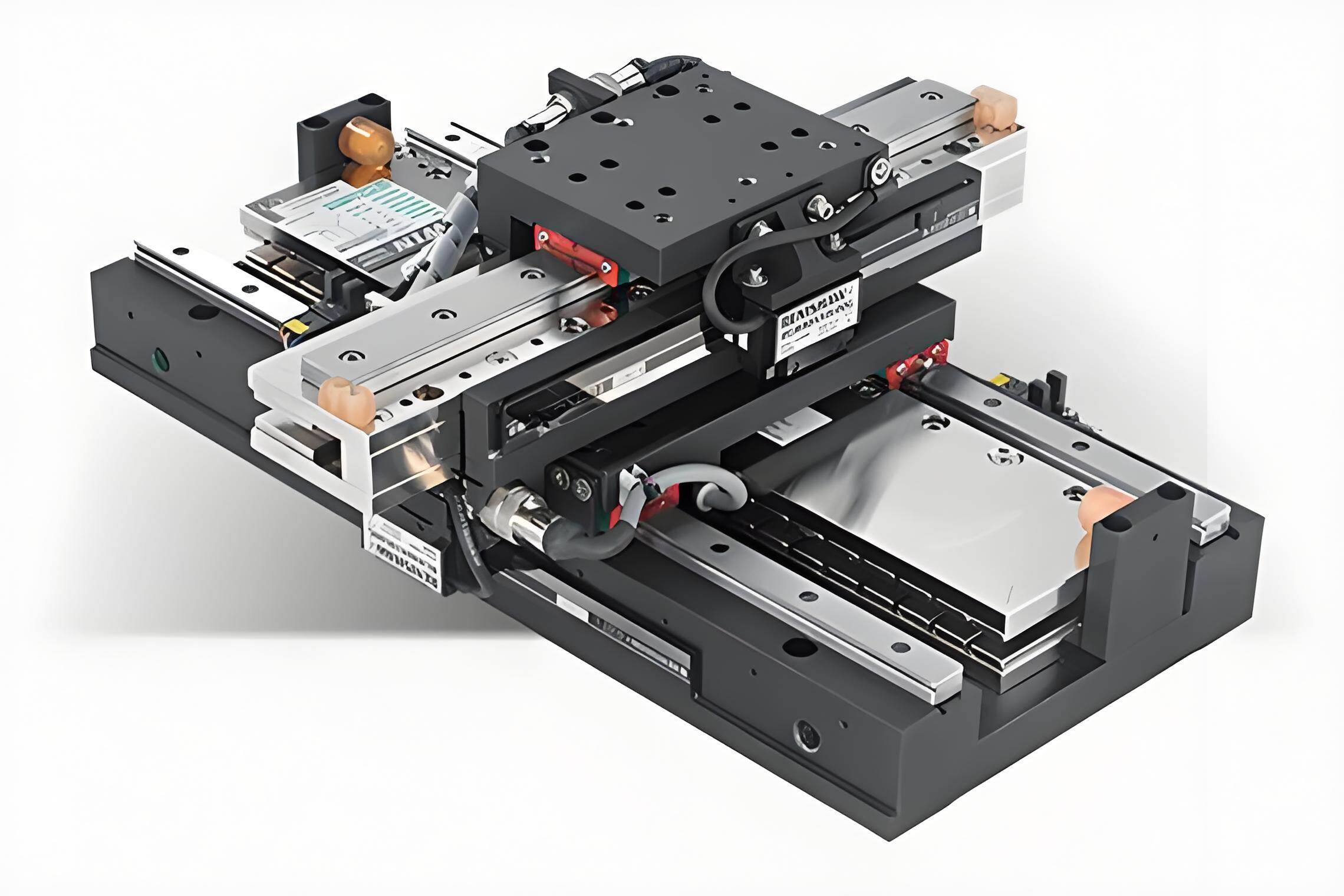
SMT placement demands millisecond-level cycle times, extreme acceleration, and micrometer-level positioning. Among various linear motor topologies, the core-type central rail structure is emerging as the ideal drive solution for high-speed pick-and-place machines due to its mechanical symmetry and superior thrust-to-weight ratio. This article analyzes how this architecture meets the rigorous requirements of high-acceleration applications.
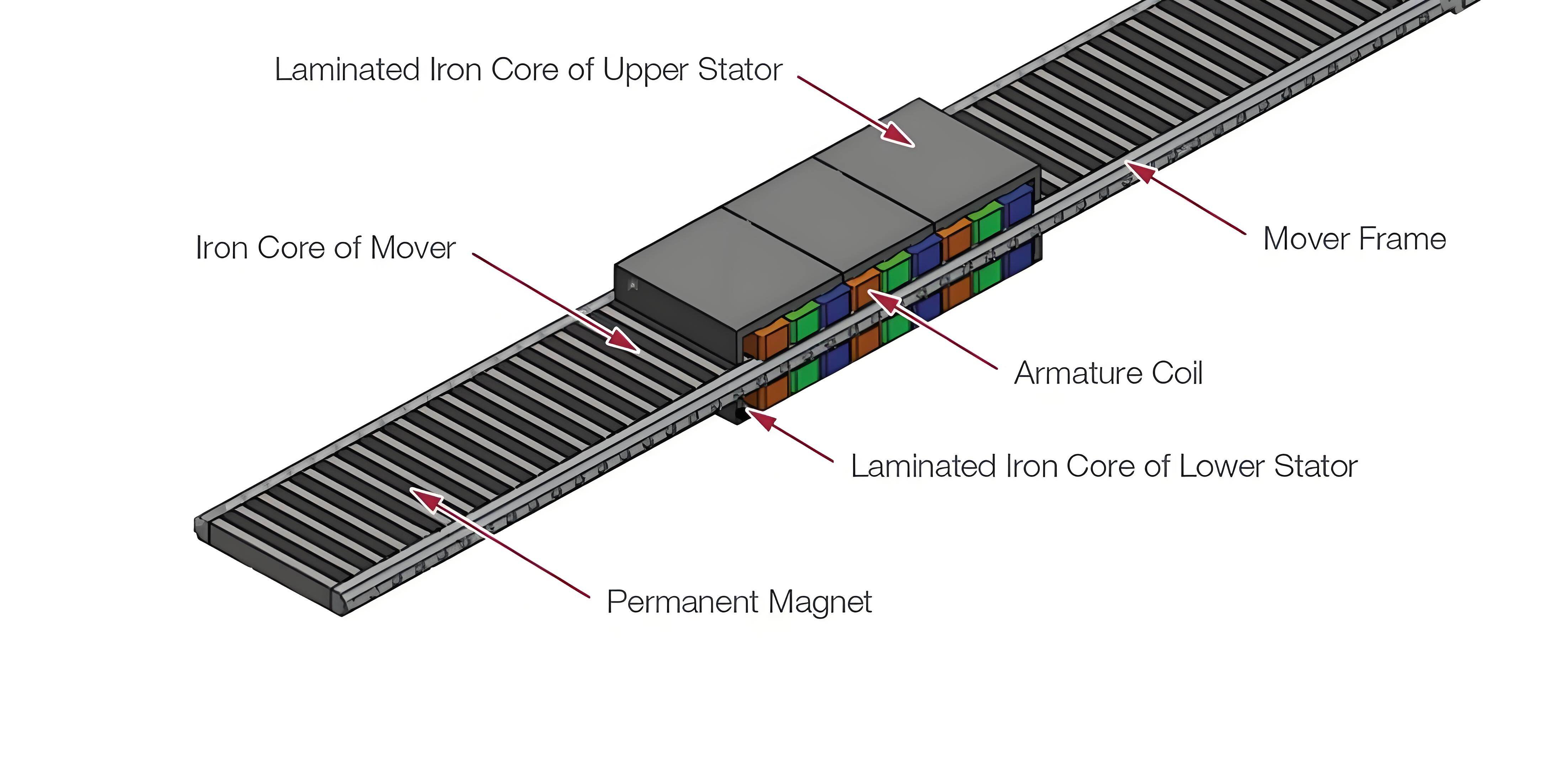
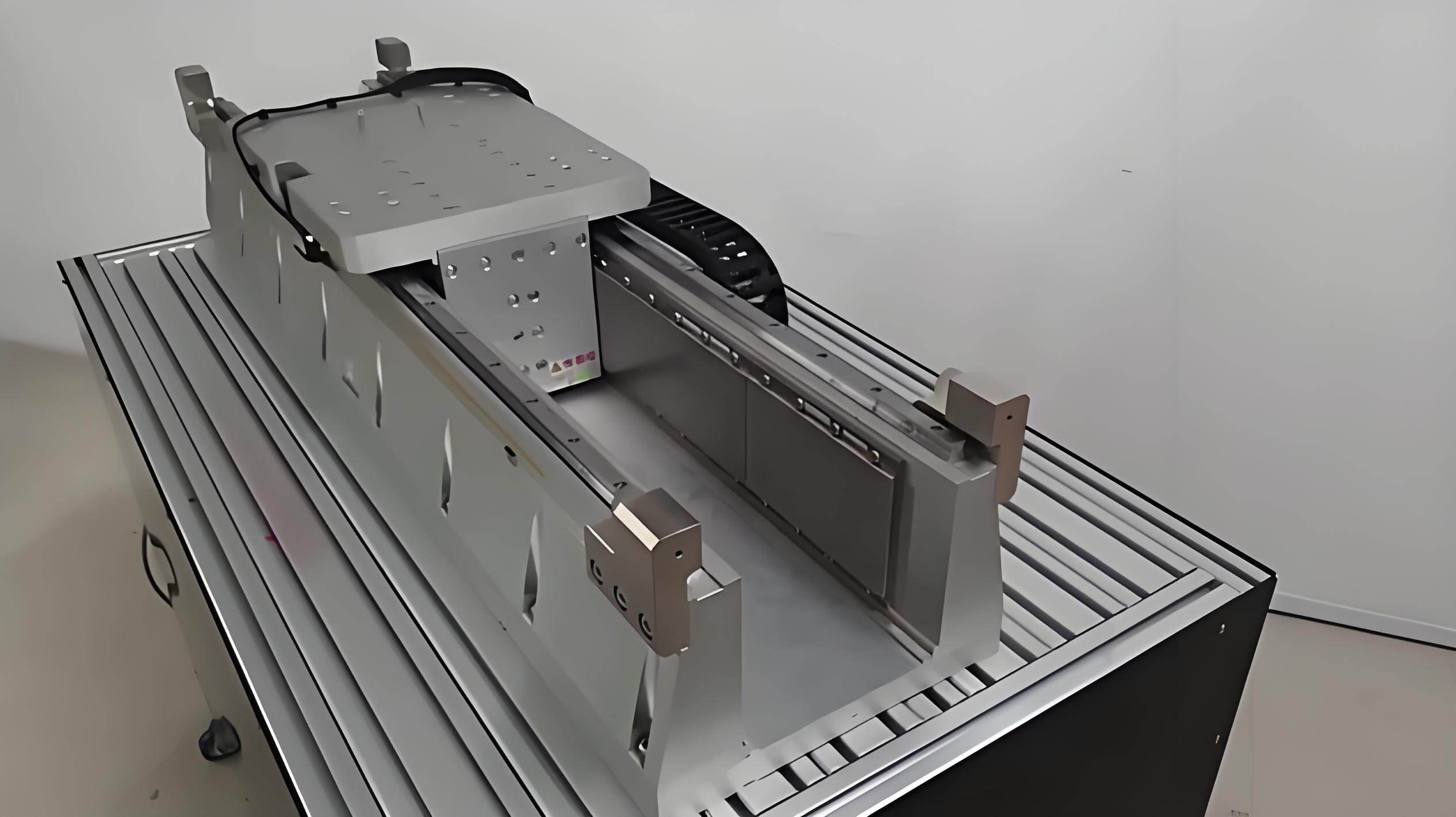
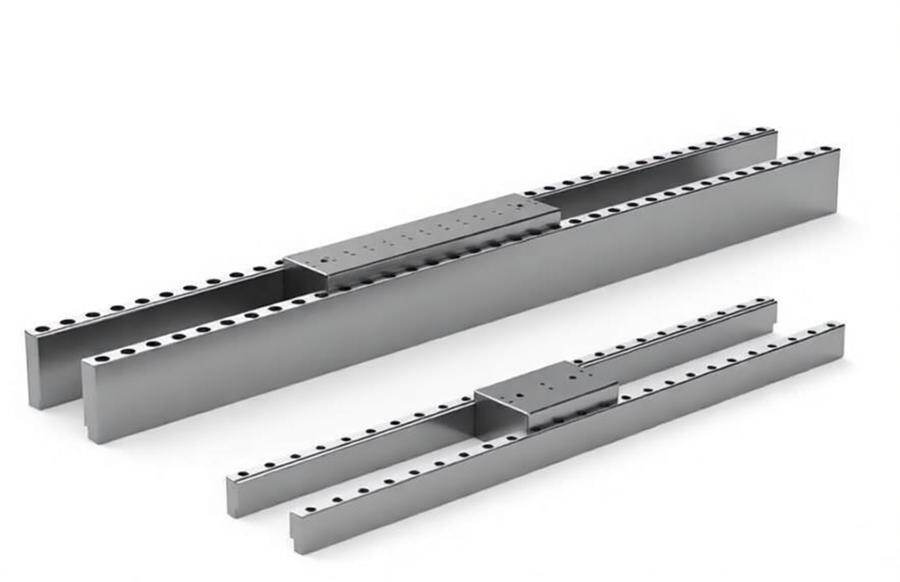
Within the linear motor family, iron-core motors excel in high thrust density but suffer from cogging force and unbalanced magnetic pull—key challenges for high-precision applications. Dual-sided structures, which position the coil mover between two permanent magnet stators, use a symmetrical magnetic circuit to maintain thrust while minimizing harmful disturbance forces, making them ideal for precision machine tools and high-speed material handling.
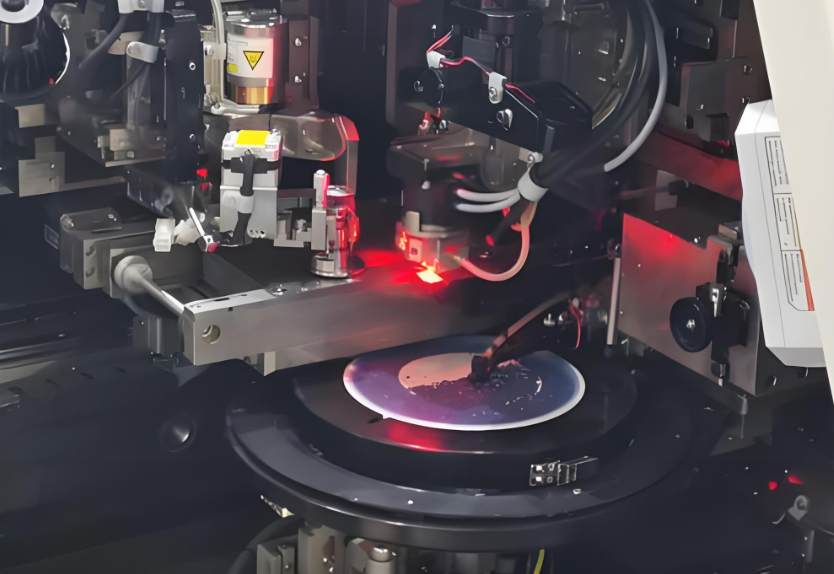
In high-end manufacturing, every micron of displacement affects yield rates, and every millisecond of response time determines production cycle times. Linear motors, with their transmission-free design, high dynamics, and precision, have become the invisible backbone of cutting-edge processes. This article explores several typical scenarios to show how this direct motion approach unlocks new possibilities for advanced manufacturing.
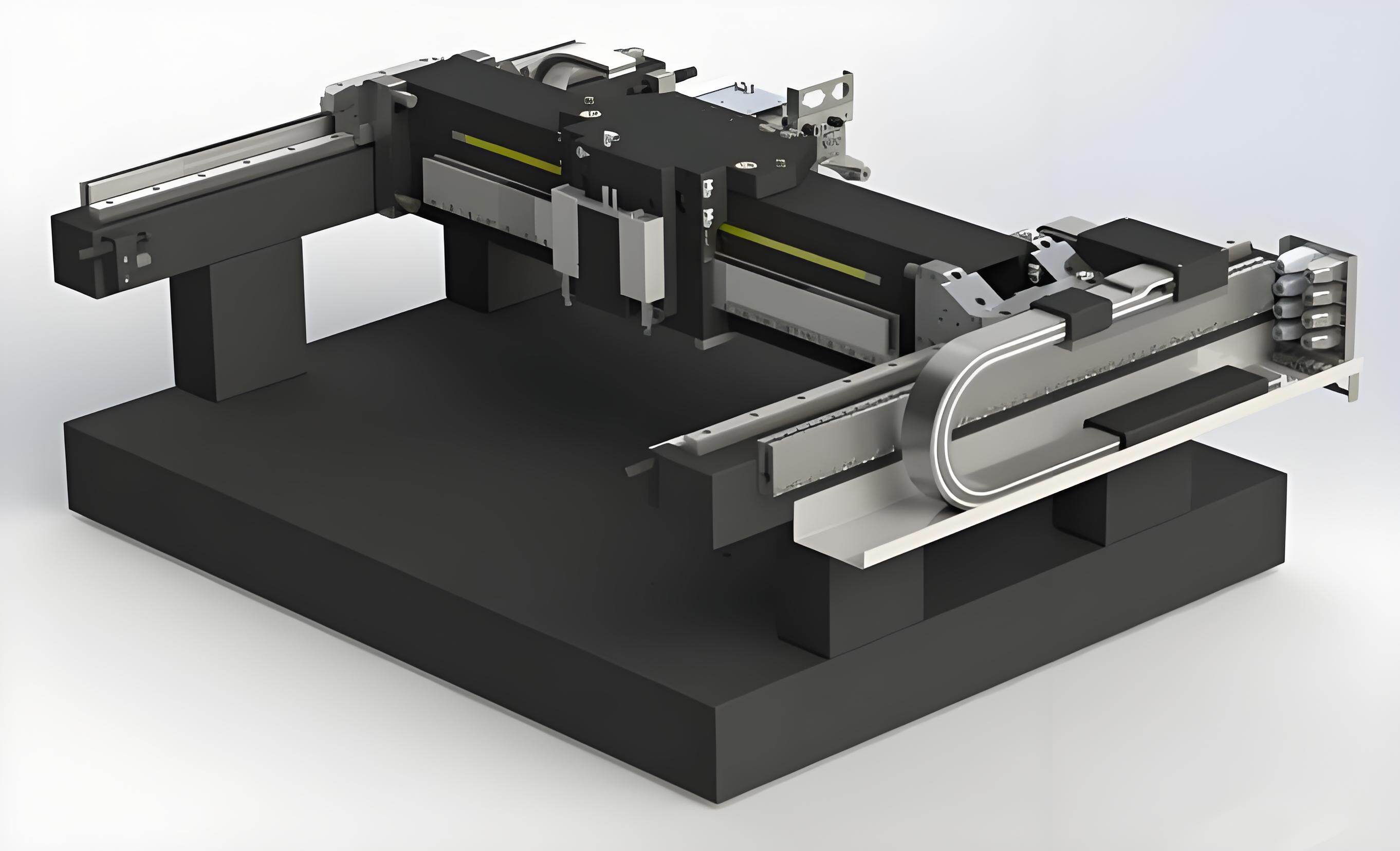
Dual-core linear motors, with their symmetrical magnetic circuit that cancels normal force while doubling thrust density and enhancing structural rigidity, dominate two seemingly disparate high-acceleration, high-speed scenarios: ultra-lightweight SMT placement and heavy-duty gantry systems. This article analyzes how this motor architecture meets the demanding requirements of both applications.
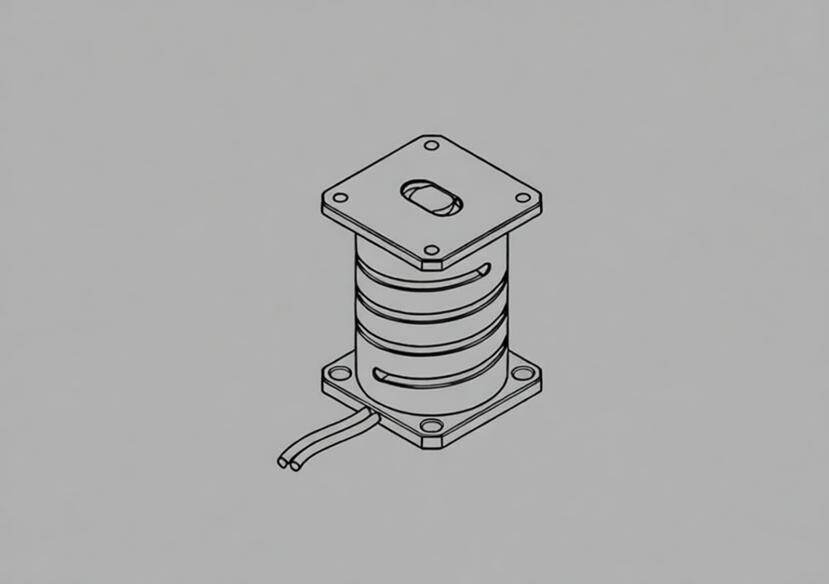
In the era of flexible manufacturing, changeover speed determines a factory's competitiveness. Traditional vibratory bowls struggle with irregular, precision, and fragile parts, where mechanical jams and lengthy changeovers create bottlenecks. Flexible vibratory bowls use voice coil motors as the core drive, employing programmable high-frequency mimic motion to guide scattered parts through visual systems into precise orientation and alignment. This article examines how this specialized motor delivers the technical foundation for flexible feeding through its high-frequency, controllable reciprocating motion.